


Now Enrolling: The EAA242 trial is testing a new treatment for patients with myeloma that comes back early
November 12, 2026Learning from patients who say no to clinical trials

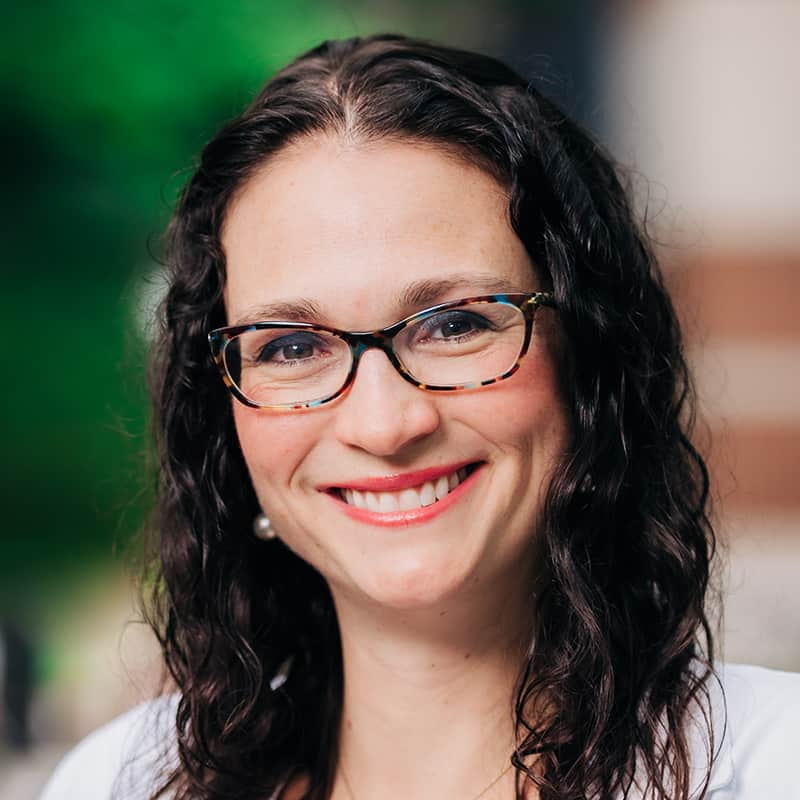 What can researchers learn from patients who are eligible for a clinical trial but choose not to participate? In this interview, Dr. Gabrielle Rocque (pictured right) discusses the published report “Why I Said No”: Trial-Eligible Patient Perspectives on Declining Breast Cancer Clinical Trial Participation, which she co-authored.
Clinical trials play an important role in advancing the detection and treatment of breast cancer—all with the goal of improving outcomes for patients. However, less than 20% of eligible patients participate in clinical trials. The study examines why patients decline participation and what researchers can learn from their perspectives. Dr. Rocque also shares her views on making trials more accessible, from clearer educational materials to reducing unnecessary trips for patients.
What did you learn by listening to patients who declined trial participation?
Some findings were consistent with what we have seen before, including fears and concerns about side effects. But cost, time commitment, travel constraints, and other health conditions came through in a very tangible way. Another important theme was mistrust—not only historical medical mistrust, but concerns about pharmaceutical companies and medical research more broadly. We need to understand those concerns and help people feel comfortable that the decision they make is a good one for them.
What stood out about the questions patients were asking?
Comments about how the COVID pandemic intensified fears, misinformation, and mistrust were particularly interesting. Those concerns were something we felt in the clinic, not just in conversations about trials. Patients also raised questions about the purpose of research: Is this beneficial for the research doctors, or is it beneficial for me? Thinking about individual benefit, benefit to other patients, and benefit to society is important. Patients also have to weigh those questions alongside the very real practical burdens of participating, such as time, travel, and costs.
How can clinicians help build trust?
Spending time explaining a study in language patients understand is incredibly important. We need accessible conversations and accessible patient materials. Patients often rely heavily on their doctor’s explanation; that is where some of the deepest trust is. A lengthy consent form with a long list of possible side effects can be overwhelming. Written information and patient videos can help people better understand what they are considering. The goal is not just enrollment—it is helping patients feel comfortable with what they are doing on a trial.
How could trials reduce travel and financial burdens?
There are opportunities to help offset basic costs and to consider policy changes around what patients pay. Trial design also needs flexibility where that is reasonable. If someone needs a routine blood test to check their blood cell counts, could it be done locally rather than requiring a long trip to the trial site? Getting results before traveling might prevent someone from making that trip only to learn their blood counts are too low for treatment. That burden includes gas, time away from work, and the rest of the patient’s day—not just the appointment we see.
What should researchers reconsider about study schedules?
When patients do need to travel, can we coordinate what needs to happen on the same day? Can we allow appropriate parts of the study to happen locally and minimize trips, especially when a trial requires several visits early on? We also need to be thoughtful about what data we actually need and will use. Rather than simply pulling a calendar from a previous study, we should ask whether each requirement captures information that is relevant and will drive decision-making. Being intentional matters.
Where would you start to make the biggest difference?
Addressing practical challenges and financial burdens would probably be my first priority for impact, although those changes can be hard. Improving the educational materials patients receive up front is likely an easier place to start. I think the baseline should be patient-centered information in multiple formats, including paper and video, so people have a deeper understanding of what they are signing up for. That work needs financial support. Patient education is not always prioritized in the way I think it should be.
What is your main takeaway for people designing future trials?
Simplicity is important. Think about what might be going through someone’s mind as they consider participating and look for more patient-centered designs. One example is exploring designs that allow patients with a treatment preference to choose, while randomizing those without a preference. Those approaches can make the results harder for statisticians to interpret, but they are worth thinking about. We need to ask what the science will look like when we are actually talking with a patient. Can we make things simpler? That can be good for investigators as well as patients.
Dr. Rocque is an associate professor of medicine in the divisions of Hematology & Oncology and Gerontology, Geriatrics, & Palliative Care at the O'Neal Comprehensive Cancer Center at The University of Alabama at Birmingham.
Did you know that there are patient educational materials for many of the ECOG-ACRIN Cancer Research Group’s clinical trials? View the current listing of active clinical trials and links to these materials at ecog-acrin.org.
