
October 2, 2020

Screening and surveillance: catching cancer early

A screening study is one that tests new ways to find disease early; a surveillance study investigates methods to monitor an unusual finding – such as a cyst or mole – that may or may not turn into cancer. This issue explores several such trials in breast and pancreas cancers.

October 2, 2020

Now Enrolling: The EA2185 trial is comparing two standard methods to follow patients with non-cancerous cysts in the pancreas

This trial compares two common surveillance methods for people with at least one non-cancerous cyst in the pancreas, to measure which one leads to better outcomes. The study may also uncover findings that could predict the behavior of these cysts.
October 2, 2020

Ongoing Trial: In the TMIST mammography trial, nearly 20% of the volunteers are Black women, thanks to a successful recruitment strategy

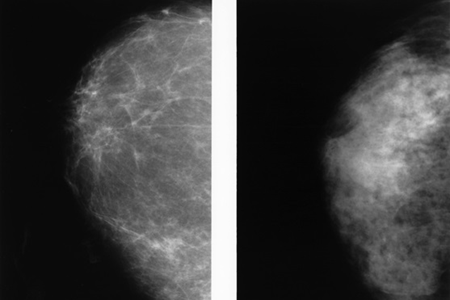
The TMIST breast cancer screening trial continues to enroll women during the COVID-19 pandemic. This article describes ways trial leaders and clinical staff are making TMIST available to women in minority communities.
October 2, 2020

Trial Results: A 10-minute MRI proves useful in women with dense breasts at average risk of developing breast cancer

Dr. Christopher Comstock, a radiologist who specializes in breast cancer imaging, talks about the results of clinical trial EA1141 and how it will hopefully give far more women access to a powerful tool in the fight against breast cancer
October 2, 2020

Trial Results: For women with breast cancer in the TAILORx trial, cognitive decline from chemo was early and abrupt but did not get worse over time. Cognition also declined in the group on hormone therapy alone.

Cognitive loss—or ‘brain fog’—involves memory problems, a lack of mental clarity, and difficulty keeping one’s focus. Cancer-related brain fog is common during treatment. This study dispels the idea that it is only from chemotherapy.
June 8, 2020

Now Enrolling: The DECREASE trial seeks to decrease treatment side effects – and improve quality of life – for people with early-stage anal cancer

This study is evaluating whether lower doses of chemoradiation will be able to effectively treat early-stage anal squamous cell carcinoma while also decreasing side effects.
June 7, 2020

Now Enrolling: The CompassHER2 pCR trial is determining if certain patients with early-stage HER2 positive breast cancer may benefit from reduced chemotherapy

The purpose of this study is to find out if some patients with early-stage HER2 positive breast cancer can safely be treated with less chemotherapy than is generally used.
June 6, 2020

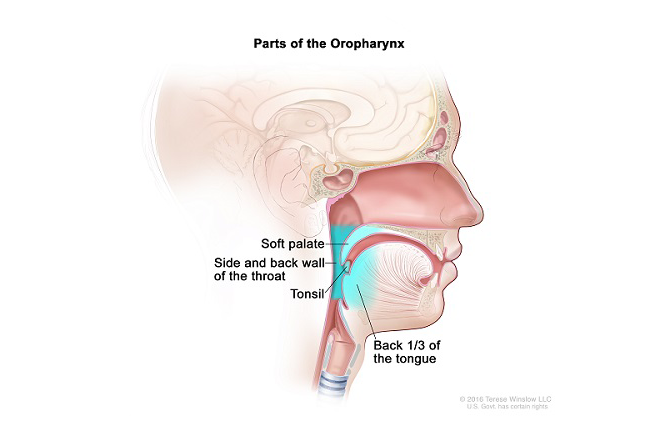
Trial Results: ECOG-ACRIN plans to conduct a randomized phase 3 trial aimed at sparing people with oropharynx cancer unnecessary side effects from treatment, based on the recent results of phase 2 study E3311

This study showed that surgery followed by low-dose radiation alone led to very good outcomes, similar to surgery with standard-dose radiation, preserving patients’ throat function and potentially sparing them unnecessary side effects.